Surfaces Built for Continuous Heavy Traffic
Commercial & Industrial Floor Coatings in Winchester for warehouses, manufacturing facilities, and retail spaces where floors endure constant use and loading
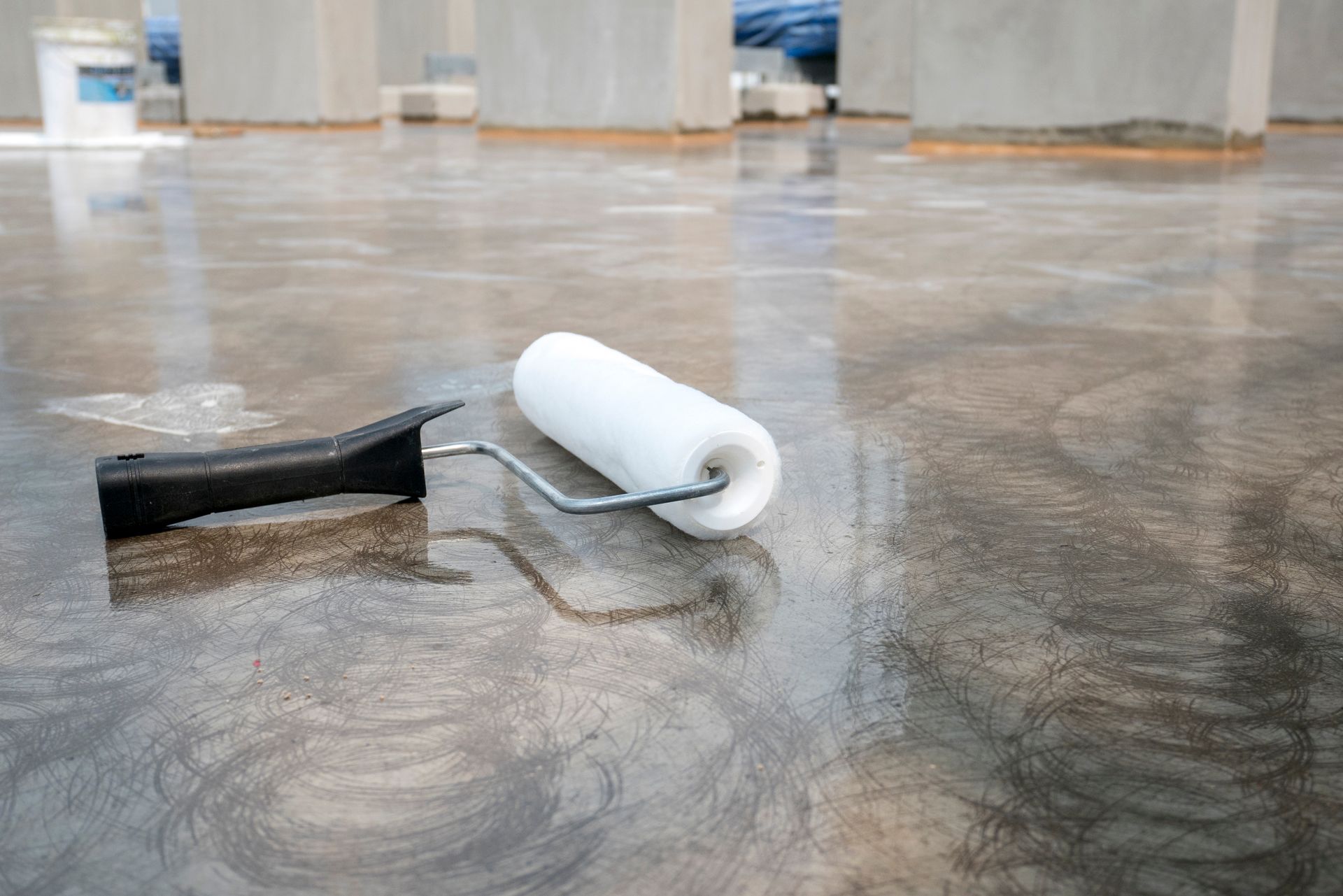
Industrial environments subject floors to stresses residential garages never experience—forklift traffic, pallet jacks, heavy machinery, chemical exposure, thermal cycling, and continuous foot traffic that degrades unprotected concrete within months. Atlas Garage Systems installs heavy-duty floor coatings in Winchester designed for warehouses, automotive shops, manufacturing facilities, and retail showrooms where surface durability directly affects operational efficiency. These coating systems use high-solids epoxy or polyurea formulations that bond mechanically to properly prepared concrete, creating surfaces that resist abrasion, chemical penetration, and impact damage from dropped tools or equipment.
Floor preparation for commercial installations involves shot blasting or diamond grinding to remove existing coatings, contaminants, and laitance while opening the concrete pore structure for coating penetration. Surface profile must meet ICRI CSP standards appropriate for the coating system—undersized profiles cause delamination under load, while oversized profiles create uneven coating thickness. The coating application includes primer layers that penetrate deeply into the concrete, build coats that provide thickness and impact resistance, and topcoats formulated for specific chemical exposures or slip resistance requirements.
Schedule a facility evaluation to assess current floor condition and determine coating systems appropriate for your operational requirements.
What Heavy-Duty Coatings Actually Accomplish
Commercial coating systems build film thickness measured in mils rather than the thin layers used in decorative applications—thicker films resist wear from repeated forklift passes, absorb impact from dropped materials, and prevent chemical penetration that would etch uncoated concrete. Automotive shop coatings resist petroleum products, brake fluid, and battery acid without softening or discoloring, while manufacturing facility floors withstand thermal shock from welding operations and metal fabrication processes. Retail showroom coatings provide aesthetic finish with high gloss and color consistency while maintaining slip resistance for customer safety.
After installation, floors resist the specific stresses present in each environment—warehouse aisles don't develop forklift tire marks or pallet drag damage, automotive shop floors shed oil spills without staining, and manufacturing areas tolerate metal shavings and chemical exposure without surface degradation. Operations continue without frequent floor maintenance interruptions, and the coated surface remains visually consistent rather than developing the patchy wear patterns that appear on unprotected concrete within the first year of heavy use.
Coating longevity in commercial environments depends on traffic volume, load weights, and chemical exposure—properly installed systems in moderate-traffic warehouses often exceed ten years before requiring recoating, while high-traffic automotive bays may need topcoat renewal every five to seven years. Atlas Garage Systems selects coating formulations based on documented operational conditions rather than applying residential-grade products to commercial environments where they'll fail prematurely.
Questions Before Starting Your Project
Commercial floor coating installations involve coordination with business operations and material selection based on specific facility requirements and usage patterns.
What surface preparation is required before coating application in commercial facilities?
Preparation typically involves shot blasting or diamond grinding to remove existing coatings and contaminants, followed by crack repair and joint sealing to prevent coating failure at weak points in the concrete substrate.
How long must facilities remain closed during coating installation?
Most commercial coating projects require 48 to 72 hours from surface preparation through final cure before full operations resume, though light foot traffic may be allowed sooner depending on the coating system used.
What determines whether epoxy or polyurea coatings are appropriate?
Epoxy systems provide excellent chemical resistance and bond strength for controlled-temperature environments, while polyurea systems cure faster and tolerate temperature fluctuations better, making them suitable for facilities without climate control.
When should slip resistance additives be included in commercial coatings?
Slip resistance becomes critical in areas exposed to water, oils, or other liquids—additives are broadcast into the topcoat in automotive bays, food processing areas, and retail spaces where customer safety requires textured surfaces.
How do Winchester's temperature ranges affect coating installation timing in industrial facilities?
Coating application requires substrate temperatures within manufacturer-specified ranges—summer installations in non-climate-controlled warehouses may need early morning scheduling to avoid surface temperatures that cause premature curing or coating defects.
Atlas Garage Systems coordinates commercial coating installations to minimize operational downtime while ensuring proper surface preparation and cure times that produce durable, long-lasting floor systems. Request a facility assessment to review traffic patterns, chemical exposures, and coating options specific to your business requirements.