Charging Infrastructure That Supports Daily Use
EV Charger Installation in Winchester for electric vehicle owners who need reliable home charging rather than depending on public stations
Most garages weren't built with electrical capacity for Level 2 EV chargers, which draw significantly more power than standard outlets and require dedicated 240-volt circuits similar to what an electric dryer uses. Atlas Garage Systems installs home EV charging stations in Winchester by first evaluating existing electrical panel capacity, then running dedicated circuits from the panel to the charger mounting location in the garage. The installation includes charger mounting, electrical connection, and verification that all work meets National Electrical Code requirements for EV charging equipment.
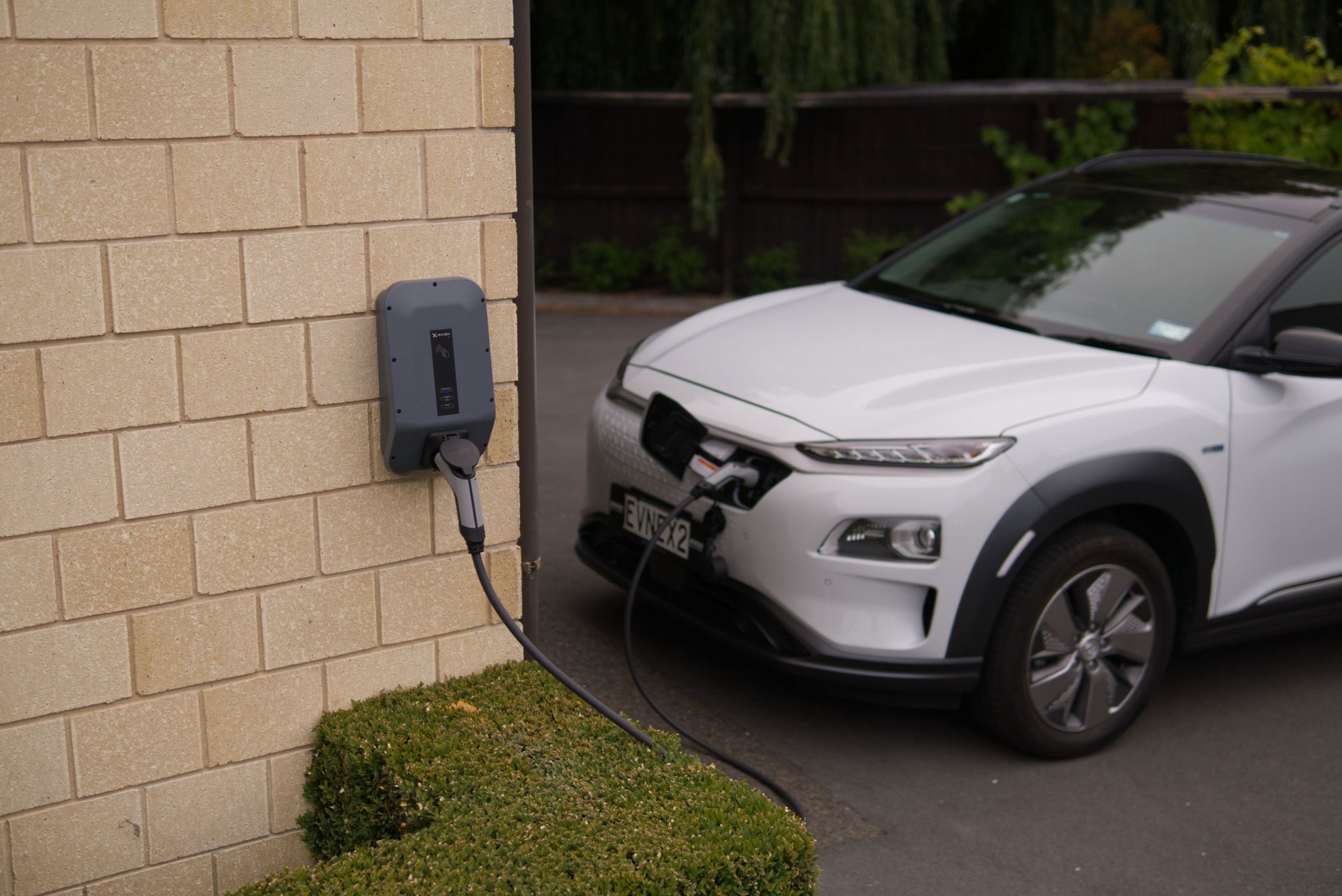
Level 2 chargers deliver charging speeds substantially faster than standard 120-volt outlets—where a standard outlet might add 3 to 5 miles of range per hour, a Level 2 charger typically adds 20 to 30 miles per hour depending on the vehicle and charger output. This difference determines whether overnight charging fully replenishes the battery or whether the vehicle remains partially charged. The charger mounts on the garage wall near the parking spot, with cable length selected to reach the vehicle's charge port without excess slack dragging on the floor.
Request a detailed estimate based on your current electrical panel capacity and garage layout.
What Code-Compliant Installation Requires
Electrical panel evaluation determines whether the existing service has enough available capacity to add a 40- or 50-amp circuit without overloading the system—panels at or near capacity may require upgrades before charger installation proceeds. Circuit installation involves running appropriately sized wire from the panel to the charger location, installing a dedicated breaker, and mounting the charger securely to wall studs at a height that allows comfortable cable handling. All connections must meet code requirements for grounding, wire sizing, and overcurrent protection specific to EV charging equipment.
After installation, the vehicle charges overnight without requiring trips to public stations, and the charger integrates with home electrical systems without tripping breakers or causing voltage fluctuations. Homeowners notice they start each day with a fully charged battery, can charge during off-peak electricity hours to reduce costs, and no longer need to plan errands around charger availability at shopping centers or public lots.
Atlas Garage Systems supports leading EV charger brands and handles the entire installation from electrical panel assessment through final charger setup, ensuring the system operates safely and delivers the charging speed the equipment is rated for. Installation timelines vary based on whether panel upgrades are needed and how far the charger location is from the electrical panel.
Common Questions About This Service
EV charger installations involve electrical capacity decisions and equipment selection that affect both installation cost and long-term charging performance.
What determines whether an electrical panel upgrade is necessary?
If the existing panel has insufficient available capacity to add a 40- or 50-amp circuit without exceeding the service rating, the panel requires an upgrade before the charger circuit can be installed safely.
How long does a typical Level 2 charger installation take?
Installations with adequate panel capacity and straightforward wire runs typically complete in four to six hours, while installations requiring panel upgrades or longer conduit runs extend to a full day or more.
What charger output level should homeowners select?
Charger output depends on the vehicle's onboard charging capacity—selecting a charger rated higher than the vehicle can accept provides no additional speed, while selecting a lower-rated charger extends charging times unnecessarily.
When does charger location in the garage matter for installation cost?
Charger locations farther from the electrical panel require longer wire runs and additional conduit, which increases material and labor costs compared to installations where the charger mounts on the same wall as the panel.
How does Winchester's climate affect outdoor charger installations?
Outdoor chargers must use NEMA-rated weatherproof enclosures to protect electrical connections from rain and temperature extremes, though most residential installations mount chargers inside garages where weather protection isn't required.
Atlas Garage Systems evaluates your electrical system and charger requirements to ensure the installation delivers reliable daily charging without overloading existing infrastructure. Schedule a property evaluation to review panel capacity and determine the most efficient charger placement.